

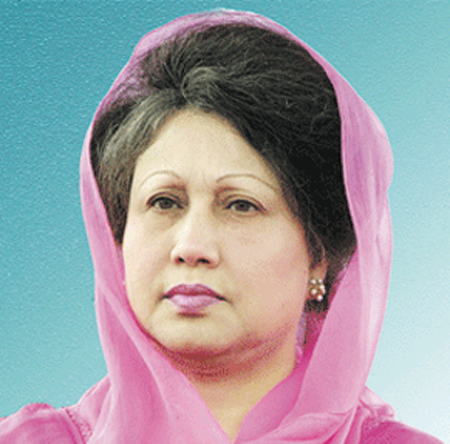
Begum Khaleda Zia, one of the most influential political figures in the history of Bangladesh, passed away on December 30, 2025, at 6:00 a.m., while receiving medical treatment in Dhaka. Her death marked the end of a powerful political era that shaped the nation for more than four decades. As a female prime minister, party leader, and symbol of resistance, her legacy remains deeply embedded in the political history of Bangladesh.
Often referred to as Begum Zia or Begum Khalida Zia, she was the Chairperson of the Bangladesh Nationalist Party (BNP) and served three terms as Prime Minister. Her life was defined by leadership, controversy, resilience, and unwavering political activity.
Early Life and Education
Khaleda Zia date of birth was 15 August 1945, in Dinajpur, located in the region historically known as East Bengal (now Bangladesh). Her father, Iskandar Majumdar, was a businessman who moved to Dinajpur after the Partition of India in 1947. Thus, Khaleda Zia father name is Iskandar Majumdar.
Regarding Khaleda Zia education, she completed her early schooling at Dinajpur Missionary School and later passed her SSC examination from Dinajpur Girls’ School. She continued her studies at Surendranath College. Though she did not initially plan a political career, her life took a historic turn through marriage and national events.
Marriage and Family Life
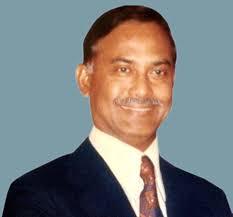
In 1960, she married Ziaur Rahman, a young army officer who would later become the President of Bangladesh. Hence, Khaleda Zia husband name was Ziaur Rahman, a decorated freedom fighter and national leader.
After marriage, she lived in West Pakistan due to her husband’s military postings. During the Liberation War of 1971, Ziaur Rahman announced Bangladesh’s independence, while Mrs. Zia remained in Dhaka under difficult conditions, facing house confinement by Pakistani forces.
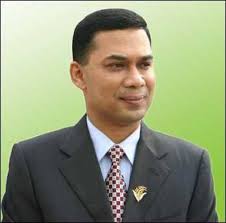
The couple had two sons, Tarique Rahman and Arafat Rahman (Koko).
Entry into Politics and Rise of a Leader
The assassination of President Ziaur Rahman in 1981 became a turning point in Begum Zia’s life. The tragedy pushed her into active politics, and she soon emerged as a key leader of the Bangladesh Nationalist Party (BNP).
By 1984, she became BNP Chairperson. At a time when Bangladesh was under military rule, her political activity intensified. She organized mass movements against authoritarianism, demanding democracy and civilian rule.
Role in the Anti-Ershad Movement
Throughout the 1980s, Begum Zia led the opposition against General Hussain Muhammad Ershad’s military regime. She faced repeated arrests, harassment, and periods of house arrest, yet continued to mobilize public resistance.
Her leadership played a decisive role in the fall of the military government in 1990, paving the way for democratic elections under a caretaker administration.

First Female Prime Minister of Bangladesh
In the 1991 general election, the BNP won a parliamentary majority. Begum Zia became the first female prime minister of Bangladesh, a historic moment for South Asia.
Her first term focused on restoring parliamentary democracy through the 12th Constitutional Amendment, strengthening institutions, and expanding education—especially for girls.
This period firmly established her reputation in Khaleda Zia biography politician Bangladesh narratives.
Political Career and Governance
Begum Khaleda Zia of Bangladesh served as Prime Minister three times:
-
1991–1996
-
2001–2006
During her leadership, Bangladesh saw progress in:
-
Education and women’s empowerment
-
Infrastructure development
-
Telecommunications and private investment
-
Expansion of overseas employment
-
Participation in UN peacekeeping missions
She also strengthened Bangladesh’s regional role through SAARC diplomacy.
Opposition, Caretaker Government, and Legal Challenges
Following political unrest, a caretaker administration took over in 2007. During this period, Begum Zia faced corruption cases and was placed under house arrest for a time.
Although politically weakened, she remained a symbol of opposition and continued to influence national politics. Her rivalry with Awami League leader Hasina defined Bangladesh’s political landscape for decades.
Declining Health and Final Years
In later years, Mrs. Zia’s health deteriorated significantly. She underwent prolonged medical treatment both in Bangladesh and abroad. Her reduced public appearances led to widespread speculation and online searches related to Khaleda Zia death long before it occurred.
Despite illness, she remained a powerful political symbol, with supporters frequently calling for her release and medical care.
Death of Begum Khaleda Zia
On December 30, 2025, Begum Khaleda Zia passed away at the age of 80 while receiving treatment in Dhaka. Her death marked the conclusion of a defining chapter in Bangladesh’s political history.
The nation observed widespread mourning, and leaders across political divides expressed condolences, acknowledging her long and impactful political journey.
Legacy and Historical Importance
Begum Zia’s legacy is complex yet undeniable. She remains:
-
Bangladesh’s first woman Prime Minister
-
A central figure in democratic movements
-
A symbol of political resilience
-
One of South Asia’s most influential female leaders
Her leadership reshaped Bangladesh’s political institutions and inspired generations of women to enter public life.
Conclusion
The life of Begum Zia reflects the story of modern Bangladesh—its struggles, transformations, and democratic aspirations. From her early life in East Bengal to becoming a global political figure, her journey was marked by courage, controversy, and commitment.
Though her passing ends a historic era, her influence on Bangladesh, its politics, and its people will endure for generations.
The Chief Adviser of Bangladesh, Muhammad Yunus, announced a national holiday on 31 December and three days of national mourning.